






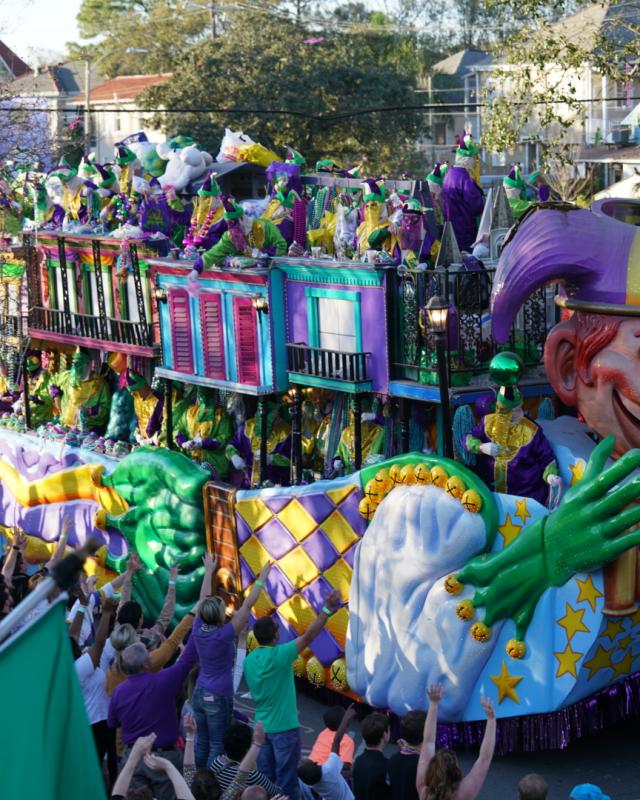


Nothing about Mardi Gras is predictable – not even the date. Unlike Christmas or the 4th of July which always fall on the same calendar day, the only thing you can count on for sure with...
Read More


>
x
MARDI GRAS IN NEW ORLEANS
-

-
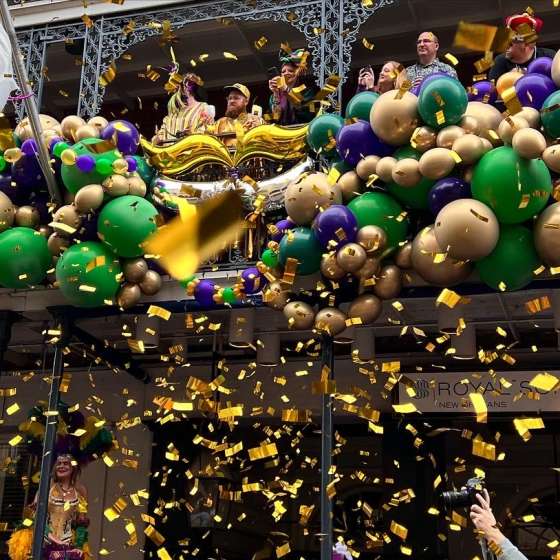
 Think Mardi Gras is just beer, beads, and Bourbon Street? You need to keep reading.Read More
 -
 Already been to Mardi Gras in New Orleans? Think you can scratch it off your bucket list? Not so fast! Before you say you’ve seen it all, here are some specific must-dos, quirky events, and...Read More
 -
 The more you know about Mardi Gras tradition, the more fun you’ll have. Here’s a primer based on facts from Mardi Gras guru Arthur Hardy.Read More
 -
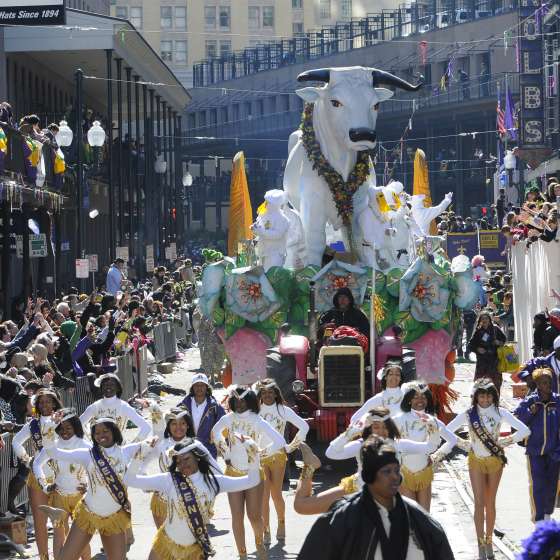 From historic facts and carnival basics to what to expect at parades, here is your go-to guide for the Mardi Gras season.Read More
 -
 For more than 130 years, Mardi Gras “throws” have been part of the fun of Carnival.Read More
 -
 Is there anything richer than praline pecan cheesecake? Yes. The history and traditions of Mardi Gras in New Orleans. Let’s take a look behind the mask.Read More
 -
 Is there anything cuter than the first time a little one yells, Throw me something, mister or gets the piece of king cake with baby?Read More
 -
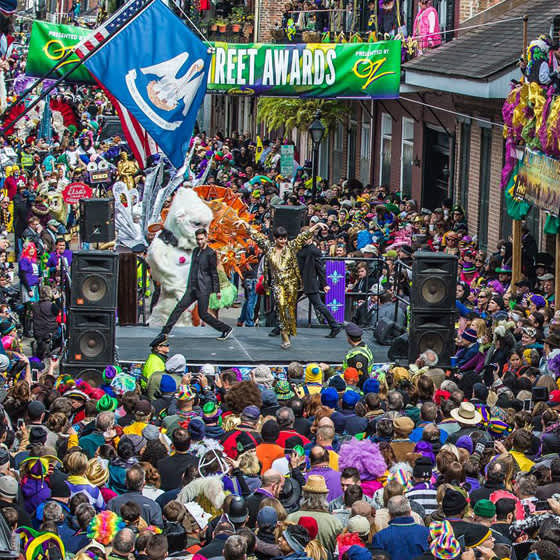 Thinking of heading to New Orleans during Mardi Gras season? Check out these gay krewes like Krewe of Armeinius, Krewe of Amon-Ra, Lords of Leather and more.Read More
 -
 Like every balcony in the French Quarter, the streets of New Orleans are overcrowded during Carnival season.Read More
 -
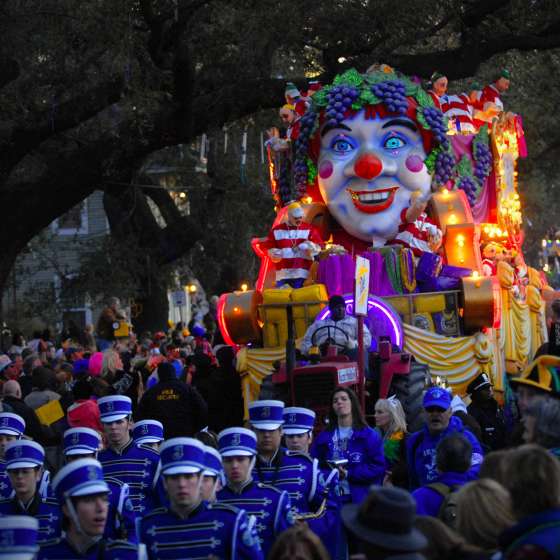 Mardi Gras krewes throw the parades and each has its own history and traditions. Let us throw you a little trivia, mister.Read More
 -
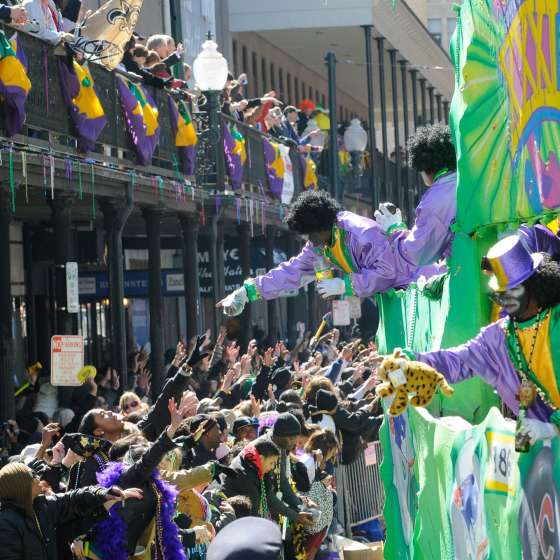 Mardi Gras is many things, so many that it takes every letter of the alphabet to explain.Read More



-
 If you’re planning on coming to town, check out these deals and packages, which include viewing stands and private parade viewing access. Experience the Mardi Gras magic and start planning...Read More
 -
 The early bird gets the worm when it comes to experiencing a New Orleans Mardi Gras. Find out how you can make the most of the season by visiting this January or early February.Read More
 -
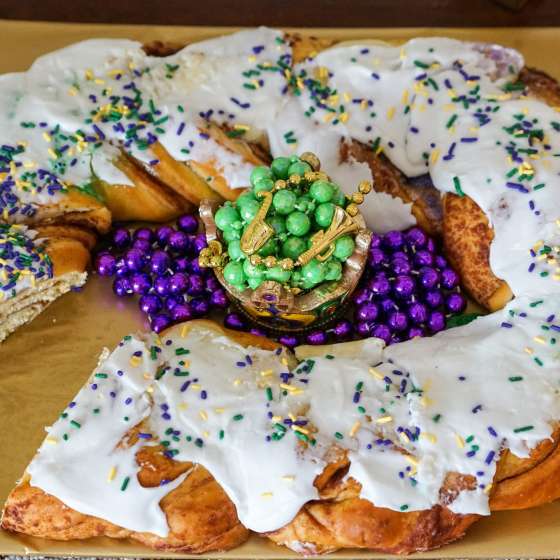 From traditional cinnamon to sweet and savory banana-peanut butter-bacon, king cake season is here, with more delicious options than ever before.Read More


Mardi Gras All Year Long
-
 The magic and spectacle that is Mardi Gras happens every Carnival season starting Twelfth Night, Jan. 6, and culminating on Fat Tuesday, the day before Ash Wednesday on the Advent calendar. But you...Read More
 -
 If you missed the city’s annual Carnival festivities, take a Segway, bike, walking or bus tour to learn about the Mardi Gras tradition.Read More
 -
 In a city where costume shops are as common as supermarkets, there is always a reason to find more finery. Halloween, Mardi Gras, St. Patrick’s Day, the Red Dress Run -- dressing up is about...Read More
 -
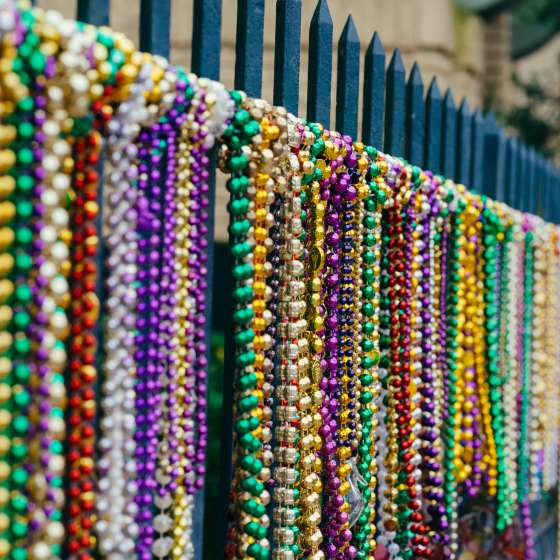 Take home some Carnival spirit from some of the many places that sell beads, costumes and other outlandish supplies. Click here to find your one-stop-shop for costumes, Mardi Gras beads, wigs,...Read More



Come see where Mardi Gras is made. See Mardi Gras magic created right before your eyes in this maze of amazing carnival creations. Guided...
Mardi Gras History & Traditions
-
Mardi Gras History and TraditionsRead More
Mardi Gras is so much more fun when you understand what it is you’re celebrating and what each tradition means to the generations of parade-goers who have stood on these parade routes before...
-
The North Side Skull & Bone GangRead More
Past the crowds and balconies of Bourbon Street, Mardi Gras Day has started the same way since 1819, with a neighborhood tradition as unexpected as the city itself.
The Ultimate Guide to Mardi GrasRead MoreFrom historic facts and carnival basics to what to expect at parades, here is your go-to guide for the Mardi Gras season.




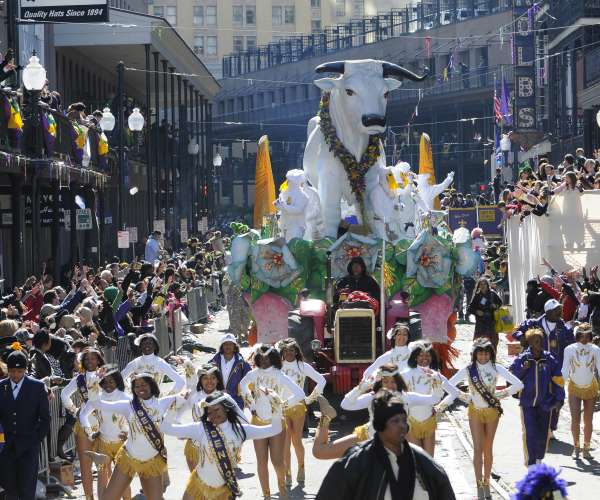

Videos About Mardi Gras in New Orleans



© 2024 Neworleans.com All Rights Reserved.

 FREE E-NEWSLETTER
